

Struggling to make your small room feel more spacious and inviting?
You’re not alone.
Many people find it challenging to pick the right color schemes to enhance the feeling of space.
Using the right colors can really transform a cramped room into an open, airy retreat.
By choosing wisely, you can create an illusion of more space and brightness without any major renovations.
1. Soft Pastel Blues
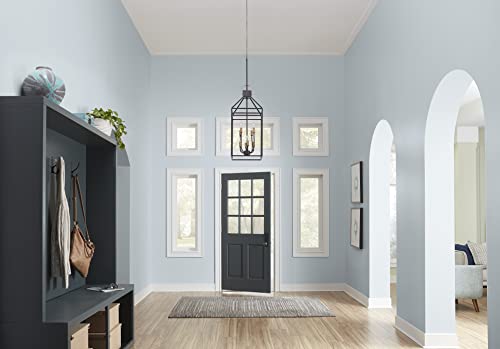
Soft pastel blues can make a small space feel much larger and airier.
These shades give a room a calm and relaxing vibe.
They work well with natural light, reflecting it to make the room appear brighter.
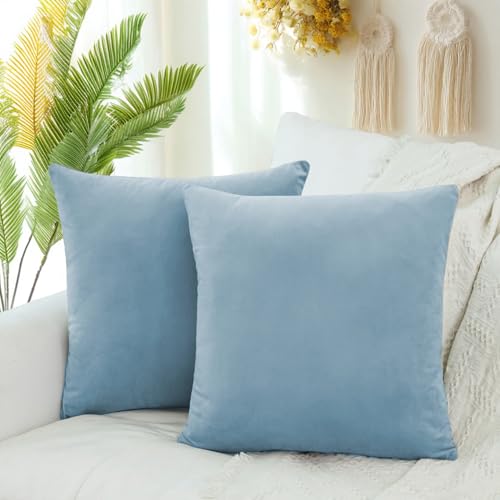
Incorporating soft pastel blues in your décor, like pillows or curtains, adds cohesiveness to the space.
Also read: 600 Square Feet Apartment Decor Ideas
2. Warm Beige Tones
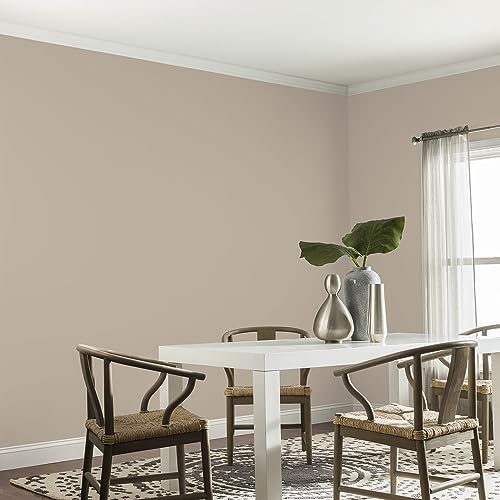
Warm beige tones reflects natural light well, creating a brighter and more open space.
Using various shades of beige adds depth without overwhelming the room.
You can layer warm beige walls with lighter accents like pillows or rugs.
This color scheme pairs nicely with natural materials like wood, creating a harmonious look.
3. Light Grays

This color reflects light well, making the space feel airy.
It introduces warmth without being too bold.
Using light gray on your walls can help balance the natural light in the room.
You can pair it with white trim or furniture to add contrast and depth.
Adding gray decor items, like cushions or rugs, can also enhance the space.
This way, you keep the room looking cohesive and open.
4. Crisp White Shades
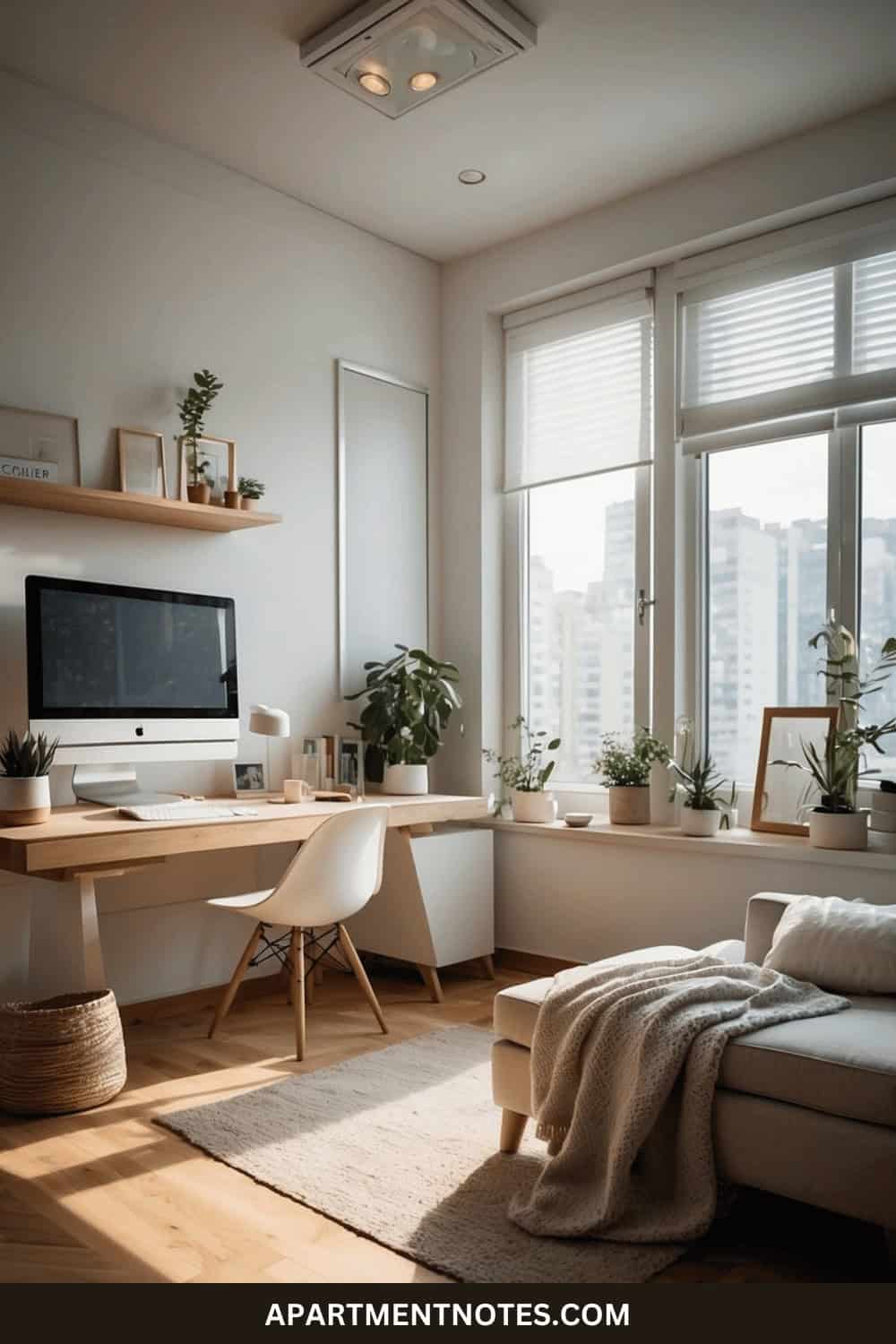
White is a fantastic choice for making small spaces look bigger.
It reflects light, giving your room an airy and spacious feel.
Using white on walls, ceilings, and even furniture can help create a seamless look.
This avoids any visual clutter and tricks the eye into seeing a larger area.
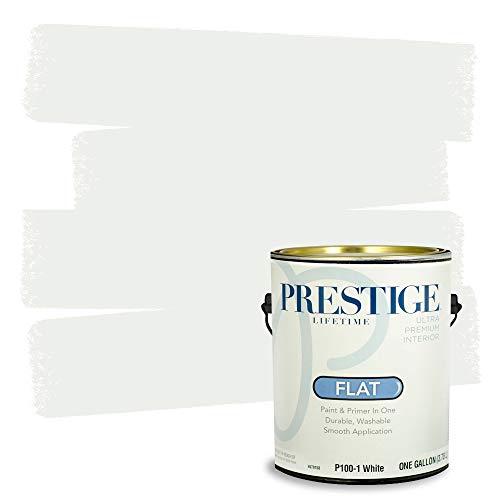
You don’t have to stick to just one shade.
Mixing different whites brings depth and character to the space while still keeping it light and open.
Also read: 7 Best Colors for Studio Apartments
5. Soft Pink Accents

Adding soft pink accents to your small space can create a warm and inviting atmosphere.
Pink brings a touch of color without overwhelming the room.
Pink undertones in paint can brighten up your walls and make the space feel more open.
Pairing pink with natural light can enhance this effect.
Incorporate pink through accessories like pillows, rugs, or curtains.
Small touches of pink can make your space look stylish and cozy.
6. Sage Green

Sage green is a great choice for small spaces.
This calming and versatile color can make a room feel more airy and light.
It reflects natural light well, giving the illusion of more space.
You’ll love how sage green brings a bit of the outdoors inside.
This color works beautifully in bedrooms, living rooms, and even bathrooms.
Plus, it pairs nicely with neutral tones.
7. Muted Lavender

Muted lavender is a calm and soothing color that can make a small space feel more open.
It’s a soft, pale shade of purple that brings a touch of elegance without overwhelming the room.

This gentle color reflects light well, helping to brighten up the space.
Pair it with white trim or furniture for a fresh, airy look.
Why Color Schemes Matter In Small Spaces
Color schemes can really change how a small space feels.
When you pick the right colors, your room can look larger and brighter.
This can make your home feel more welcoming and comfortable.
Light Colors
These are super important.
Light colors like white or beige can make a room feel airy.
They bounce light around, making the space look bigger.
Dark colors can also work if used the right way.
They can add depth and coziness to your small space.
Just make sure to balance them with lighter shades.
Natural Light
Don’t forget about this!
Natural light works great with lighter colors to make your room seem more spacious.
Dark spaces can feel claustrophobic, so use mirrors or sheer curtains to let light in.
Consistency
Keep your colors uniform.
Too many colors can break up the space and make it feel more cramped.
Use different shades of the same color instead.
Accent Walls
Adding an accent wall can create a focal point.
This trick adds interest without overwhelming the room.
Stick to subtle, yet bold, colors for your accents.
Furniture
Match your furniture with your color scheme.
Light-colored furniture blends in and doesn’t disrupt the flow of the room.
Dark-colored furniture can make a room feel tighter.